- Client-centered
- CBT informed
- Solution-focused
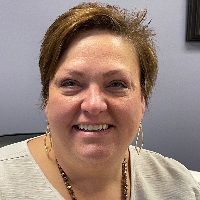
About Hope
She blends several approaches to match each person's needs. Cognitive Behavioral Therapy helps identify and shift unhelpful thoughts and behaviors. Client-Centered Therapy creates space for people to lead the conversation while the therapist follows with empathy. Solution-Focused Therapy looks for small, concrete steps that move someone toward their goals.
Hope draws on 22 years of experience in counseling along with life experience and a sense of humor. That mix shapes a straightforward, down-to-earth style. She uses clear language and practical exercises rather than jargon when helping with stress, anxiety, depression, or relationship strain.
Her work covers a wide range of concerns including trauma and abuse, grief, ADHD, bipolar disorder, intimacy struggles, eating and self-esteem issues, and coping with life changes. Additional focuses include adoption and foster care, attachment issues, caregiver stress, blended family dynamics, and family-of-origin problems.
Sessions are described as collaborative and geared toward everyday life. Hope helps people set doable goals, try new coping strategies, and track what changes over time. People seeking a steady, experienced counselor in Mississippi may find her straightforward approach reassuring.
How these approaches translate to online care
Client-Centered Therapy focuses on listening and following the client's lead, creating room for people to say what matters most and set the pace. It helps with issues that need emotional support and a respectful space to figure things out.Cognitive Behavioral Therapy (CBT) looks at the link between thoughts, feelings, and actions and uses clear exercises to change unhelpful patterns. It is often useful for anxiety, depression, stress, and difficulties like ADHD or mood symptoms.
Finding the right approach is part of the work. Hope will talk with each person about goals and preferences and suggest which methods to try. That decision is collaborative and can change as progress is made.
If you are considering online therapy, confirm the specific session formats offered before booking because the biography does not list them. Online work can make it easier to fit therapy into a busy day, allow shorter check-ins when needed, and reduce travel time. Different approaches adapt well to virtual sessions through guided exercises, thought records, and focused conversations to practice new skills in daily life.
License and NPI
- LPC
NPI1285304352
As shown on the therapist's profile. You can check a license with the state board and an NPI with the national registry.
Areas of expertise
Primary focus
Also works with
Additional focus areas
Therapeutic approaches
Experience
22+ years
Credentials
Mississippi
Languages
English
Frequently asked questions
What concerns does Hope often address?
She works with stress, anxiety, depression, trauma, and relationship or intimacy issues, among other challenges listed in her specialties.
How would you describe her therapeutic style?
Her style is warm, straightforward, and collaborative, using listening and practical exercises to help people make changes.
What kind of experience does she bring?
Hope has 22 years of counseling experience and describes drawing on both professional hours and life experience in her work.
What are her credentials and where is she based?
She is a Licensed Professional Counselor (LPC) and practices in Mississippi.
Which languages are available for sessions?
Sessions are offered in English and international clients are not currently accepted.
What session formats are offered?
The original biography does not specify session formats; confirm current session options before booking.
How does payment or cost work?
Cost varies with location and therapist availability, and sessions use a subscription that can be canceled at any time.
How do I begin working with her?
Select the Start Therapy button, complete a short matching questionnaire, and schedule according to therapist availability.