- Anxiety and depression
- Family and relationships
- Caregiver stress
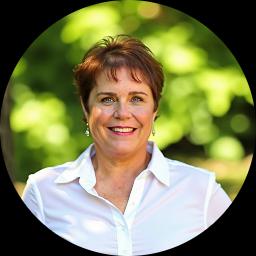
About Mary
She has spent decades working with adults at different life stages, from younger adults sorting out identity and purpose to older adults facing loss and aging concerns. Her experience also includes supporting people managing chronic illness, caregiver strain, cancer-related challenges, and addiction-related concerns.
Mary pays attention to how family history and attachment patterns shape current relationships. She helps people who are dealing with divorce, blended family stress, adoption or foster care issues, and communication problems find clearer ways to connect. She also supports those facing control issues, codependency, and co-morbid mental health challenges.
Her sessions emphasize respect, compassion, and collaboration. Mary aims to create a calm, nonjudgmental space where a person can talk through what matters most, whether that is processing grief, improving communication, or adjusting to a new life stage.
Her long career informs a practical approach focused on steady progress. Mary works alongside clients to set realistic goals, try small changes, and build coping strategies that fit into everyday routines.
Approaches that guide online work and next steps
Mary uses evidence-based therapeutic techniques to help people cope with distress and improve relationships. One common approach she employs focuses on practical coping skills and problem solving to reduce anxiety and manage depression. This helps people break problems into small steps and try doable changes that fit everyday life.She also works with patterns of attachment and family dynamics to improve communication and connection. This approach looks at how early relationships influence current behavior and offers concrete ways to alter unhelpful patterns in relationships and caregiving roles.
Finding the right approach is a collaborative process. Mary will talk with a client about goals, daily routines, and what feels most useful, then adjust techniques to match those needs and preferences. The work is guided by the person’s priorities rather than a fixed protocol.
Confirm current session options before booking, as formats are not specified in the biography. Many people find online therapy helps fit sessions into a busy week, makes check-ins shorter when needed, and reduces travel time. Discussing scheduling preferences at the start helps integrate therapy into work, parenting, or caregiving responsibilities.
License and NPI
- LCSW
NPI1205944881
As shown on the therapist's profile. You can check a license with the state board and an NPI with the national registry.
Areas of expertise
Primary focus
Additional focus areas
Experience
40+ years
Credentials
Missouri
Languages
English
Frequently asked questions
What concerns does she help with?
She helps people manage stress, anxiety, depression, relationship and family difficulties, and compassion fatigue. Additional areas include caregiver stress, chronic illness, addiction-related issues, and adoption or foster care concerns.
What is her therapeutic style like?
Her style is compassionate and collaborative. Sessions are practical and focused on listening, setting small goals, and finding workable steps for daily life.
How much experience does she have?
She brings 40 years of clinical experience supporting adults through grief, life transitions, relationship problems, and health-related stress.
What credentials and location are listed?
She holds an LCSW, specifically a Missouri LCSW, and practices in Missouri.
Which languages are supported?
Sessions are offered in English.
Does she accept clients outside the United States?
International clients are not currently accepted.
How are sessions priced?
Cost varies with location and therapist availability, and sessions use a subscription that can be canceled at any time.
How do I begin working with her?
Click the Start Therapy button, complete a short matching questionnaire, and schedule according to therapist availability.