- Attachment informed
- Strengths based
- Practical skills
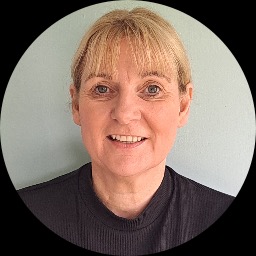
About Pauline
Her approach blends Attachment-Based work with client-centred care. That means she pays attention to how relationships shape feeling and behaviour, and keeps sessions focused on what the client wants to address. She also uses elements of Cognitive Behavioural Therapy and Dialectical Behaviour Therapy to help people notice patterns and build coping skills.
Pauline has worked with a wide range of concerns, including relationship and family difficulties, trauma and abuse, parenting struggles, stress, anxiety, grief, addiction-related issues, and mood conditions such as depression and bipolar. She also supports people facing eating problems, low self-esteem, anger, and career-related worries. Additional focus areas include attachment questions, adoption and foster care, ageing and geriatric issues, autism and Asperger syndrome, chronic illness and pain, and more.
Sessions are offered in English and she practises in the United Kingdom. Her listed credential is NCPS. She describes therapy as a collaborative process and aims to help clients set manageable goals and develop practical strategies.
Pauline invites people to take the first step when they feel ready. She looks forward to meeting those who want to talk through relationship and life changes, and to help them find clearer ways to cope and move forward.
How these approaches translate to online therapy
Attachment-Based Therapy focuses on how early and current relationships shape feelings and expectations. In online work this might mean looking at patterns in close relationships and using conversations to try new ways of relating and feeling safer in connection.Client-Centred Therapy puts the person's perspective at the centre. The counsellor listens closely, reflects what is said, and helps the client find their own solutions. This approach suits people who want a supportive space to make sense of changes and decisions.
Cognitive Behavioural Therapy (CBT) is about noticing unhelpful thoughts and trying small behaviour changes. Online sessions can include short practical exercises and plans to try between meetings to test what helps reduce stress or anxiety.
Choosing the right approach is part of the work. The therapist will talk with each person about their needs, goals and preferences and will suggest which methods to try together. That decision is collaborative and can change over time as progress is made.
For practicalities, please confirm the session formats available before booking. Many people find online sessions fit more easily into a busy day and allow for appointments during lunches, on lighter workdays or when travel would be difficult. Online meetings can also make it easier to maintain continuity of care during life transitions, while using brief between-session tasks to build new skills.
Professional registration
- NCPS
As shown on the therapist's profile. You can check membership with the professional body named.
Areas of expertise
Primary focus
Also works with
Additional focus areas
Therapeutic approaches
Experience
10+ years
Credentials
NCPS · United Kingdom
Languages
English
Frequently asked questions
What kinds of problems does she help with?
She supports people with relationship and family difficulties, trauma and abuse, parenting concerns, stress, anxiety, grief, addiction-related issues, mood concerns such as depression and bipolar, and related challenges like low self-esteem and anger.
How would you describe her therapeutic style?
Her work combines attachment-informed and client-centred ways of working. She also uses tools from CBT and DBT to help people change patterns and build coping skills.
What is her professional background?
She has over ten years of professional experience working in the United Kingdom, focusing on relationships, trauma, parenting, and other life challenges.
What credential does she hold and where does she practise?
Her listed credential is NCPS and she practises in the United Kingdom.
Can people use languages other than English?
Sessions are offered in English.
Does she work with clients outside the UK?
She does not accept international clients at this time.
How much do sessions cost?
Costs vary with location and therapist availability; sessions use a subscription that can be cancelled at any time.
How do I begin a course of therapy?
Start by selecting the Start Therapy button, completing a short matching questionnaire, and then scheduling according to the therapist's availability.