- Strengths focused
- Solution oriented
- Person in Environment
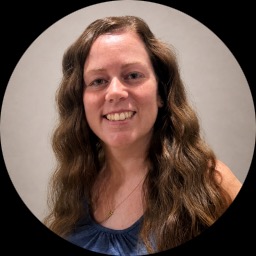
About Sherry
Sherry brings three years of clinical experience to her work. She has particular familiarity with the struggles of people who grew up in foster care and with mental health needs among incarcerated men. She listens for each person’s story and looks at how life circumstances shape feelings and behavior.
Her approach is practical and strengths-focused. She uses the Person in Environment framework to consider social and environmental factors. She also draws on Strengths-Based ideas to identify resources a person already has. Solution-focused techniques help set small, achievable goals and build momentum.
Sessions include open conversation, careful questioning, and occasional challenges to help a person see different perspectives. Sherry aims to create working goals together and to move toward outcomes that matter in daily life. She encourages people to notice and build on successes between sessions.
People who are worried about relationships, parenting pressures, addiction, chronic illness, caregiver stress, or issues tied to adoption and foster care may find this practical, goal-minded style helpful. English-language services are offered in California.
Therapeutic approaches and how they work online
Sherry uses the Person in Environment framework to look at how relationships, work, and living situations affect mood and behavior. This approach helps identify practical changes in a person’s environment that can reduce stress and improve day-to-day coping.She also uses Strengths-Based work to find and build on what already helps someone get through hard times. That might mean identifying personal skills, supports, or past successes to guide next steps. Solution-focused techniques are used to set clear, short-term goals and to track small wins that add up over time.
Finding the right approach is a team effort. The therapist will listen to a person’s goals and preferences, then suggest strategies that fit those needs. Decisions about methods are made together and adjusted as progress is tracked.
The profile does not specify which remote session formats are offered, so confirm current options before booking. In general, online work can make it easier to fit therapy into a busy schedule, require less travel time, allow shorter check-ins when needed, and remove the need to be on camera for every session. Licensed professionals use these flexible approaches to help people keep therapy practical and usable in everyday life.
License and NPI
- LCSW
NPI1245914019
As shown on the therapist's profile. You can check a license with the state board and an NPI with the national registry.
Areas of expertise
Primary focus
Additional focus areas
Experience
3+ years
Credentials
California
Languages
English
Frequently asked questions
What concerns does she help with?
She supports people coping with stress, anxiety, depression, low self-esteem, relationship issues, and major life changes, plus concerns related to adoption and foster care.
How would you describe her therapy style?
Her style mixes supportive listening with gentle challenge. She works to build rapport, ask direct questions when needed, and set practical goals.
What experience does she bring to sessions?
She has three years of clinical experience and specific experience with the needs of former foster youth and with male incarcerated individuals.
What are her credentials and where is she located?
She is a Licensed Clinical Social Worker, LCSW, practicing in California.
Which languages are supported?
Sessions are offered in English.
What session formats are available?
The original profile does not list session formats; please confirm current session options before booking.
How are fees and billing handled?
Cost varies with location and therapist availability; sessions use a subscription model that can be canceled at any time.
How do I begin working with her?
Click the Start Therapy button, complete a short matching questionnaire, and schedule according to therapist availability.