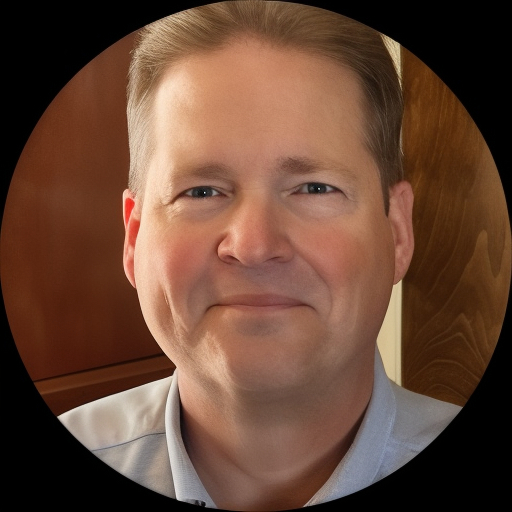
- 20 years experience
- LCMHC in Utah
- Focus on practical steps
About Thomas
Clients can expect a collaborative process that focuses on small, clear steps. He listens actively and helps people name their feelings, reduce overwhelm, and change unhelpful patterns. Sessions aim to improve communication, build self-compassion, and strengthen coping skills.
Thomas works with a wide range of concerns beyond mood and anxiety. He addresses issues such as abandonment, caregiver stress, chronic pain and illness, addiction, domestic violence, divorce and separation, and first responder challenges. He also supports people dealing with aging, autism spectrum concerns, and disruptions in mood regulation.
Over two decades of practice have shaped a straightforward approach. Thomas helps people turn difficult moments into manageable tasks. He focuses on what can change now and on tools that fit everyday life.
People who prefer a steady, respectful guide will find his manner patient and goal oriented. He partners with clients to build plans that reflect their values and real-world demands. To begin, readers should follow the site steps to match and schedule a first appointment.
Therapeutic approaches and making them work online
Thomas uses evidence-based therapeutic techniques focused on clear steps and coping skills. One common approach is skills-based work that teaches practical tools for managing anxiety and panic so daily life feels more manageable. Another approach emphasizes communication and relational skills to reduce conflict and improve closeness in important relationships. These methods help with mood, stress, and trauma-related problems by giving concrete actions to practice between sessions.Choosing the right method is a collaborative process. The therapist will talk with each client about goals, preferences, and what has or hasn’t helped before. Together they decide which approach or combination of techniques fits best and adjust the plan as progress is made.
If you are considering online therapy, confirm the available session formats before booking since formats are not specified here. Online work can make it easier to fit therapy into a busy day, reduce travel time, and allow shorter check-ins when that suits your schedule. It also can help maintain continuity of care when life or work schedules change. Ask about the specific ways sessions are offered when you complete the matching questionnaire so you know how therapy will fit into your routine.
License and NPI
- LCMHC
NPI1083785240
As shown on the therapist's profile. You can check a license with the state board and an NPI with the national registry.
Areas of expertise
Primary focus
Additional focus areas
Experience
20+ years
Credentials
Utah
Languages
English
Frequently asked questions
What kinds of concerns does he help with?
He helps people manage stress, anxiety, depression, relationship problems, trauma and abuse, and anger. Additional focus areas include caregiver stress, chronic illness, addiction, divorce, and first responder issues.
What is his therapeutic style like?
His style is empathetic and practical. He listens closely, helps name feelings, and works on clear steps clients can use between sessions.
How long has he been practicing?
He has 20 years of clinical experience supporting people through emotional and life challenges.
What credentials and location does he hold?
He is an LCMHC, which stands for Licensed Clinical Mental Health Counselor, and practices in Utah.
Which languages are supported?
Sessions are offered in English.
Can international clients work with him?
International clients are not currently accepted.
How does payment and cost work?
Cost varies with location and therapist availability; sessions use a subscription that can be canceled at any time.
How do I begin a conversation with him?
Click the Start Therapy button, complete the short matching questionnaire, and schedule according to therapist availability.