- Goal oriented
- Mindfulness based
- Trauma informed
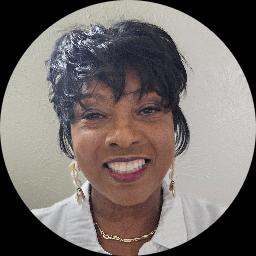
About Marsha
Her style is straightforward and collaborative. Sessions focus on concrete skills and short-term goals as well as deeper personal development. She combines approaches to match what each person needs rather than using a single method for everyone.
Marsha blends cognitive behavioral techniques with mindfulness and person-centered listening. That mix helps people notice unhelpful patterns, learn simple coping skills, and practice new ways of responding. She also uses solution-focused ideas to set achievable steps and measure progress.
Trauma-informed principles guide her work when past hurts come up. That means attention to safety, pacing, and what feels manageable for the person in front of her. Marsha aims to help people build practical tools for day-to-day life while also addressing deeper issues when they are ready.
Her experience includes working with concerns commonly seen around stress, grief, intimacy, identity, and life transitions. People who prefer clear goals, practical exercises, and a respectful listening stance may find her approach a good fit.
How therapy approaches translate online
Client-Centered Therapy focuses on listening, acceptance, and working at the person’s pace. Online, this means sessions center on what matters most to the client and on building a trusting working relationship. Cognitive Behavioral Therapy, or CBT, helps people identify unhelpful thoughts and try new behaviors. In an online setting CBT often uses short exercises, thought records, and homework that fit into everyday life.Finding the right approach is part of the work. The therapist will talk with the person about goals, preferences, and what has or hasn’t helped before. Together they decide which techniques to use and adjust the plan as progress is made.
Session formats are not specified in the biography, so confirm current options before booking. Online therapy can make it easier to fit sessions into a busy schedule, shorten travel time, and allow for quick check-ins between in-person visits. It can also allow some people to use written exercises and homework more consistently, and to try techniques in real-world settings with support from the therapist.
License and NPI
- LPC
NPI1427480227
As shown on the therapist's profile. You can check a license with the state board and an NPI with the national registry.
Areas of expertise
Primary focus
Also works with
Additional focus areas
Therapeutic approaches
Experience
13+ years
Credentials
Texas
Languages
English
Frequently asked questions
What concerns does Marsha help with?
She works with stress, anxiety, trauma and abuse, grief, depression, LGBT concerns, relationship and intimacy-related issues, anger, and coping with life changes. Additional areas include caregiver stress, body image, communication problems, and life purpose.
How would you describe her therapeutic style?
Her style is collaborative and practical, combining client-centered listening with cognitive-behavioral and mindfulness strategies. She also draws on solution-focused and trauma-informed approaches to set goals and build coping skills.
What is her background and experience?
She has 13 years of clinical experience and a background in counseling, teaching, and educational support. That mix informs her practical, development-oriented approach.
Where is she licensed and located?
She is a Licensed Professional Counselor with a Texas LPC credential and practices in Texas.
Which languages are supported for sessions?
Sessions are offered in English.
Can people outside the U.S. work with her?
International clients are not currently accepted.
How much do sessions cost?
Cost varies with location and therapist availability; sessions use a subscription model that can be canceled at any time.
How do I begin working together?
To get started, select the Start Therapy button, complete a short matching questionnaire, and schedule according to therapist availability.