
Teresa Adams
LPCMississippi · 16 yrs exp
Relationship-focused counselor for family stress
Stress, Anxiety · Relationship · Family · Parenting · +6 more
Read profileTherapist listings are provided by BetterHelp. We will earn a commission at no extra cost to you if you use our links to buy.
Compare profiles of professionals who list Multicultural Concerns along with pregnancy, birth and early parenthood. Use listed location, language, credentials and approach to narrow results, then browse profiles to learn about each practitioner's experience and style.
Mississippi · 16 yrs exp
Relationship-focused counselor for family stress
Stress, Anxiety · Relationship · Family · Parenting · +6 more
Read profile
New York · 35 yrs exp
Calm, experienced support for life transitions
Stress, Anxiety · Self esteem · Career · ADHD · +10 more
Read profile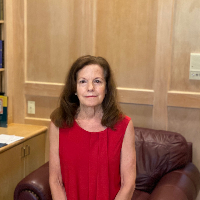
Massachusetts · 25 yrs exp
Practical, relationship-focused therapy for life changes
Stress, Anxiety · Relationship · Family · Self esteem · +14 more
Read profile
California · 20 yrs exp
Supportive LCSW focused on practical change
Stress, Anxiety · Relationship · Family · Parenting · +15 more
Read profile
Oregon · 17 yrs exp
Calm, practical therapy for stress and trauma
Stress, Anxiety · Trauma and abuse · Grief · Intimacy-related issues · +1 more
Read profile
Louisiana · 10 yrs exp
Support for stress and life changes
Stress, Anxiety · Trauma and abuse · Anger · Self esteem · +8 more
Read profile
Texas · 11 yrs exp
Supportive social worker for life changes
Stress, Anxiety · Relationship · Trauma and abuse · Self esteem · +5 more
Read profile
New York · 20 yrs exp
Practical, culturally aware counseling for life transitions
Stress, Anxiety · Relationship · Family · Self esteem · +15 more
Read profile
Arizona · 10 yrs exp
Compassionate care for mood and life transitions
Stress, Anxiety · Self esteem · Bipolar · Depression · +10 more
Read profile
New York · 25 yrs exp
Calm, practical guidance for major life transitions
Stress, Anxiety · Trauma and abuse · Self esteem · Depression · +11 more
Read profile
New York · 17 yrs exp
Compassionate therapy blending insight and practical steps
Stress, Anxiety · Self esteem · Career · Depression · +14 more
Read profile
Illinois · 11 yrs exp
Compassionate LCSW guiding steady change
Stress, Anxiety · Trauma and abuse · Grief · Self esteem · +4 more
Read profile
North Carolina · 20 yrs exp
Practical, strengths-focused counseling for perinatal concerns
Stress, Anxiety · Addictions · Trauma and abuse · Grief · +1 more
Read profile
Texas · 8 yrs exp
Calm, practical support for life transitions
Stress, Anxiety · Relationship · Grief · Bipolar · +1 more
Read profile
Illinois · 20 yrs exp
Calm, practical therapy focused on life transitions
Stress, Anxiety · LGBT · Relationship · Family · +14 more
Read profile
Texas · 15 yrs exp
Compassionate, practical support for life transitions
Stress, Anxiety · Trauma and abuse · Grief · Depression · +13 more
Read profile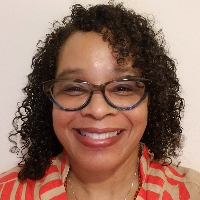
Kentucky · 25 yrs exp
Experienced therapist for perinatal concerns
Stress, Anxiety · Trauma and abuse · Self esteem · Bipolar · +9 more
Read profile
Illinois · 8 yrs exp
Compassionate LCSW offering practical support
Stress, Anxiety · Trauma and abuse · Depression · Addictions · +11 more
Read profile
Texas · 3 yrs exp
Support for stress, relationships, and life changes
Stress, Anxiety · Relationship · Family · Trauma and abuse · +13 more
Read profile
Alabama · 12 yrs exp
Calm guidance for life’s difficult transitions
Stress, Anxiety · Trauma and abuse · Anger · Self esteem · +10 more
Read profile
California · 14 yrs exp
Compassionate care with practical tools
Stress, Anxiety · Relationship · Trauma and abuse · Grief · +1 more
Read profile
New York · 23 yrs exp
Experienced New York LMHC for pregnancy-related needs
Stress, Anxiety · Addictions · Career · Depression · +10 more
Read profile
New York · 30 yrs exp
Compassionate social worker for life transitions
Stress, Anxiety · Grief · Self esteem · Depression · +13 more
Read profile
United Kingdom · 5 yrs exp
Calm, client-centred counselling for life changes
Stress, Anxiety · Addictions · Relationship · Grief · +1 more
Read profileAdjusting to pregnancy, birth and a new baby brings an intense mix of physical change, disrupted sleep and shifting roles. You may be feeling heightened anxiety about the birth, a low mood after delivery, or grief about how plans for labour or parenting changed. Relationship strain can follow when partners process different expectations, and sleep loss can magnify worry, irritability and difficulty concentrating. Cultural expectations about parenting, extended family involvement and who provides support can add another layer of complexity, leaving you to navigate both practical needs and emotional weight.
If you are having physical symptoms, thoughts of harming yourself or the baby, or any urgent medical concern, contact your obstetrician, midwife or doctor right away or use emergency services. For immediate emotional support you can call US 988, UK Samaritans 116 123, or AU PANDA 1300 726 306 or Lifeline 13 11 14. Online talk therapy is not medical, obstetric or midwifery care, and it is important to seek in-person medical attention for urgent physical issues.
Cultural background shapes beliefs about pregnancy, birth practices, who should be present at delivery and how postpartum care is organised. If you are an immigrant, belong to a minority group or are parenting across cultures, you may face expectations from family or community that conflict with clinical advice or your own preferences. Experiences of discrimination, language barriers or differing beliefs about mental health can influence how you feel about asking for help and what kind of support feels appropriate.
Some people find that grief or loss is tied to separation from familiar rituals, or that intergenerational patterns influence parenting goals and fears. Others face practical barriers such as navigating health systems in a new country or coordinating with relatives who have distinct cultural norms. The profiles on this page group practitioners who list Multicultural Concerns as a focus; many also note pregnancy, birth or postpartum-related issues among their additional areas of interest. That listing helps you identify professionals who acknowledge cultural factors, but it does not indicate a specific credential or guarantee a particular scope of practice.
When you review a profile, think about concrete questions you might raise to get a sense of fit. You could ask how the practitioner describes their experience working with people from cultural backgrounds similar to yours and whether they have supported clients through pregnancy, birth-related trauma or postpartum mood changes. It can be useful to ask whether they speak your preferred language or work with interpreters and how they handle cultural practices that may be important to you during pregnancy or after birth.
Ask about the therapeutic approaches the clinician lists and frame them as topics to discuss rather than proof of specific training. For example, you might say "I see you list EMDR among your approaches - how might you use that or other approaches with perinatal-related stress?" Also clarify degrees and professional permissions: a PhD, PsyD, MD, MA or MSW describes academic training, while state licenses, registrations or membership in professional bodies indicate current permission to practise in different jurisdictions. In the United States clinicians often hold state licenses; in the United Kingdom and Australia practitioners may be registered with boards or be members of professional organisations. A degree alone does not establish current permission to practice, so ask how their qualifications align with the legal requirements where you live or where the clinician is registered.
Before a first session, it helps to talk about practical and safety matters so you know what to expect. Confirm whether the clinician works with individuals, partners or families, and clarify the limits of online talk therapy in relation to medical and birthing care. Let the clinician know if you are working with an obstetrician, midwife or another health professional so you can coordinate support. Discuss what to do if you have a medical question during a session and make a plan for emergencies that lists local emergency numbers and contacts in your area.
Discuss logistics like time zones, session length, technology and how the practitioner manages notes and follow-up. Talk about creating a safe setting for sessions when privacy at home is limited - for example, whether brief breaks or alternative locations can be arranged. If you have concerns about child safety or are experiencing significant risk, those are matters to raise with health or emergency services immediately. Remember that online talk therapy complements but does not replace medical advice, obstetric care or urgent in-person services.
When comparing profiles, pay attention to the combination of focus areas, languages spoken and how practitioners describe their work. A profile that lists Multicultural Concerns together with pregnancy, birth or postpartum topics signals an orientation toward cultural factors in perinatal care, but you should read the profile narrative to learn how the clinician frames that work. Notice whether they mention specific populations, lived experience, or collaborative approaches with obstetric and midwifery teams. Language ability is practical - if you prefer to speak in a language other than English, look for profiles that list that language or mention use of interpreters.
Look at how a practitioner describes session style, whether they emphasise practical coping strategies, reflective exploration of past and present, or support for partners and families. Consider credentials and how they are presented: degrees such as PhD, PsyD, MD, MA and MSW reflect academic training, and licences, registrations or professional memberships indicate clinical permission in different countries. If a profile lists approaches you want to discuss, use that as a cue to ask about how those approaches might be adapted to the perinatal period rather than as proof of specific certification. Ultimately a good match balances professional permissions, relevant experience, shared values about cultural practices and a communication style you find approachable. Use profiles to narrow options, then reach out to ask direct, concrete questions that matter to your situation before committing to ongoing care.
If you are in immediate crisis or worried about safety, contact your doctor, midwife or emergency services. For immediate emotional support call US 988, UK Samaritans 116 123, or AU PANDA 1300 726 306 or Lifeline 13 11 14.
Alabama
61 therapists
Alaska
4 therapists
Arizona
39 therapists
Arkansas
21 therapists
Australia
98 therapists
California
306 therapists
Colorado
61 therapists
Connecticut
32 therapists
Delaware
10 therapists
District of Columbia
4 therapists
Florida
176 therapists
Georgia
54 therapists
Hawaii
9 therapists
Idaho
22 therapists
Illinois
114 therapists
Indiana
49 therapists
Iowa
14 therapists
Kansas
27 therapists
Kentucky
57 therapists
Louisiana
75 therapists
Maine
27 therapists
Maryland
51 therapists
Massachusetts
43 therapists
Michigan
141 therapists
Minnesota
42 therapists
Mississippi
43 therapists
Missouri
86 therapists
Montana
14 therapists
Nebraska
25 therapists
Nevada
20 therapists
New Hampshire
15 therapists
New Jersey
96 therapists
New Mexico
15 therapists
New York
189 therapists
North Carolina
91 therapists
North Dakota
4 therapists
Ohio
99 therapists
Oklahoma
51 therapists
Oregon
23 therapists
Pennsylvania
120 therapists
Rhode Island
4 therapists
South Carolina
37 therapists
South Dakota
6 therapists
Tennessee
48 therapists
Texas
356 therapists
United Kingdom
723 therapists
Utah
27 therapists
Vermont
9 therapists
Virginia
40 therapists
Washington
40 therapists
West Virginia
7 therapists
Wisconsin
63 therapists
Wyoming
10 therapists