
Renee Joyce
LMFTColorado · 13 yrs exp
Supportive therapist for life transitions
Stress, Anxiety · LGBT · Relationship · Trauma and abuse · +10 more
Read profileTherapist listings are provided by BetterHelp. We will earn a commission at no extra cost to you if you use our links to buy.
Browse profiles of clinicians listed in Colorado to compare credentials, focus areas, languages and therapeutic approaches related to pregnancy, birth and early parenthood. Use the profile pages to learn more and choose which practitioners you want to contact.
Remember to check each profile and confirm permission to work together where you live before you begin.
Colorado · 13 yrs exp
Supportive therapist for life transitions
Stress, Anxiety · LGBT · Relationship · Trauma and abuse · +10 more
Read profile
Colorado · 13 yrs exp
Compassionate, practical support for mood and anxiety
Stress, Anxiety · Trauma and abuse · Self esteem · Bipolar · +1 more
Read profile
Colorado · 4 yrs exp
Compassionate, practical therapy for relationship and life change
Relationship · Family · Trauma and abuse · Coping with life changes · +1 more
Read profile
Colorado · 6 yrs exp
Compassionate addiction and trauma-focused social worker
Addictions · Relationship · Trauma and abuse · Parenting · +1 more
Read profile
Colorado · 10 yrs exp
Compassionate clinical social worker supporting life changes
Stress, Anxiety · Trauma and abuse · Self esteem · Depression · +1 more
Read profile
Colorado · 25 yrs exp
Grounded holistic counselor focused on practical healing
Stress, Anxiety · Trauma and abuse · Eating · Parenting · +15 more
Read profile
Colorado · 19 yrs exp
Compassionate counselor helping people manage life changes
Stress, Anxiety · Addictions · Self esteem · Depression · +14 more
Read profile
Colorado · 33 yrs exp
Compassionate support for pregnancy and parenting challenges
Stress, Anxiety · Trauma and abuse · Grief · Parenting · +1 more
Read profile
Colorado · 19 yrs exp
Compassionate, practical therapy for life changes
Relationship · Trauma and abuse · Self esteem · Depression · +13 more
Read profile
Colorado · 28 yrs exp
Gentle trauma and reproductive loss support
Stress, Anxiety · Relationship · Trauma and abuse · Grief · +10 more
Read profile
Colorado · 7 yrs exp
Practical support for stress and relationship strain
Stress, Anxiety · Relationship · Family · Self esteem · +1 more
Read profile
Colorado · 13 yrs exp
Compassionate guidance for life transitions
Self esteem · Career · Coping with life changes · Coaching · +7 more
Read profile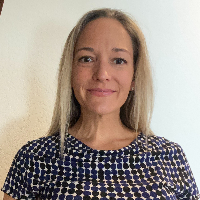
Colorado · 6 yrs exp
Compassionate, practical therapy for life changes
Stress, Anxiety · Relationship · Family · Parenting · +9 more
Read profile
Colorado · 23 yrs exp
Experienced Colorado LCSW focused on relationship patterns
Stress, Anxiety · Family · Trauma and abuse · Grief · +9 more
Read profile
Colorado · 15 yrs exp
Practical, warm therapy for life transitions
Self esteem · Coping with life changes · Coaching · Compassion fatigue · +7 more
Read profile
Colorado · 15 yrs exp
Practical, strengths-focused counseling for life transitions
Stress, Anxiety · Relationship · Family · Grief · +8 more
Read profile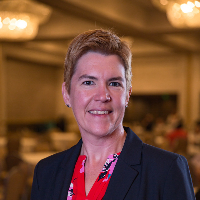
Colorado · 15 yrs exp
Calm, practical support for life transitions
Stress, Anxiety · Self esteem · Career · Depression · +6 more
Read profile
Colorado · 20 yrs exp
Practical, experienced counseling for pregnancy and life stress
Stress, Anxiety · Addictions · Trauma and abuse · Grief · +5 more
Read profile
Colorado · 3 yrs exp
Practical, strengths-based counseling with warmth
Family · Trauma and abuse · Self esteem · Coaching · +7 more
Read profile
Colorado · 14 yrs exp
Compassionate counseling for life transitions
Stress, Anxiety · Family · Trauma and abuse · Self esteem · +10 more
Read profile
Colorado · 12 yrs exp
Compassionate, practical therapy for life transitions
Stress, Anxiety · Grief · Self esteem · Depression · +1 more
Read profile
Colorado · 8 yrs exp
Calm, practical support for life transitions
Stress, Anxiety · Addictions · Trauma and abuse · Grief · +16 more
Read profile
Colorado · 30 yrs exp
Compassionate LCSW offering practical support
Stress, Anxiety · Addictions · Anger · Self esteem · +1 more
Read profile
Colorado · 10 yrs exp
Compassionate social worker for life changes
Family · Trauma and abuse · Parenting · Bipolar · +11 more
Read profileBecoming a parent brings many shifts at once. You may be tuning into strong emotions during pregnancy, processing the memory of a birth, or trying to manage low mood and anxiety while you adjust to life with a baby. Sleep loss, changes in intimacy or relationship strain, worries about bonding, and a sense of grief for the life you had before the baby are common experiences people bring to therapy. You and your partner may notice different reactions - one of you coping through action while the other feels overwhelmed by emotion - and those differences can add to stress.
When you look through profiles, think about whether the clinician lists pregnancy, childbirth or postpartum mood among their focus areas and how they describe their work with people in this stage of life. Language that feels empathetic and attuned to perinatal concerns may help you feel understood. Some profiles highlight experience with birth trauma, others emphasize mood or anxiety after birth. These descriptors can help you narrow which profiles to read in depth, but they are not guarantees of a specific outcome or type of care. If you have urgent physical symptoms, thoughts of harming yourself or the baby, or a medical concern, contact your doctor, midwife or emergency services right away. If you need immediate emotional support, you can call or text US 988, UK Samaritans 116 123 and AU PANDA 1300 726 306 / Lifeline 13 11 14.
This page groups profiles under the listed location Colorado. That grouping does not prove an office address, physical proximity, or that a clinician can work with every resident of Colorado. Profiles may belong to professionals based in the United States, the United Kingdom, or Australia, and the rules that determine who may practice differ across those countries. In the United States you will often see reference to state licenses; in the United Kingdom clinicians may describe a registration or membership with a professional body; in Australia you may see registration or membership with national boards or associations. Academic degrees - such as PhD, PsyD, MD, MA or MSW - indicate educational background but do not by themselves confirm current permission to practice in a particular jurisdiction.
When you read a profile, note how credentials and degrees are presented and whether the clinician explains their scope of practice. Because profiles are brief snapshots, they cannot substitute for a direct conversation. Confirming a clinician's permission to work with you where you live is an important step before you make plans to start sessions. Profiles may list approaches a clinician uses or focuses they commonly work with, but a listed approach is not evidence of a specific certification or training unless the clinician states that explicitly on their profile.
Preparing a few specific questions can make your first contact more productive. Ask whether the clinician has experience supporting people with the particular challenges you are facing - for example, low mood after birth, intense anxiety during pregnancy, or distress after a difficult birth. If you want partner involvement, ask how they typically work with partners and what kinds of conversations they find helpful. To understand therapeutic style, you might ask how they describe a typical session for someone in the perinatal period and how they measure whether the work is meeting your needs.
Many clinicians list familiar approaches on their profiles. If you see terms such as cognitive-behavioral therapy, interpersonal work, acceptance-oriented approaches, or therapists who list EMDR among their approaches, ask them to explain how they use those ideas in sessions with people who are pregnant or postpartum. Concrete questions - like how they support someone with sleep-related exhaustion or how they help process a traumatic birth memory - will give you a clearer sense of fit than general questions alone. Also ask about coordination with your obstetric care team or midwife if that integration matters to you, and whether they have experience supporting people whose needs cross medical and emotional care.
If you are considering online talk therapy, talk openly about technology, emergency planning and the boundaries of remote emotional care. Online therapy can make it easier to access clinicians across regions, but it is not a substitute for medical, obstetric or midwifery care. If you experience new or worsening physical symptoms, thoughts of harming yourself or the baby, or a medical emergency, contact your doctor, midwife or emergency services immediately. If you need immediate emotional support, the crisis lines are US 988, UK Samaritans 116 123 and AU PANDA 1300 726 306 / Lifeline 13 11 14.
Practical matters to cover before you begin include whether the clinician can legally and ethically provide care to someone in your state or country, how they handle emergencies when you are not together, and what technology platform they use for sessions. You may want to ask how they protect your personal information in the course of online work and what to expect if you need a referral to local in-person supports. If you are considering having a partner or family member join a session, ask how the clinician manages information-sharing boundaries and consent for more than one person in a conversation. Clear agreements about these points help you focus on the therapeutic work when you begin.
Comparing profiles involves looking beyond a single phrase to the full description of focus areas, the languages offered, and how clinicians describe their approach and experience. If speaking in your first language is important, prioritize profiles that list the language you need and ask whether they conduct sessions in that language or use an interpreter. Look at how clinicians describe perinatal focus - some may emphasize support during pregnancy, others postpartum mood or birth-related distress. Those differences can guide which profiles you read more closely.
When it comes to credentials, separate degrees from permission to practice. A clinician with a PhD, PsyD or MD has completed advanced training, while professional registration, membership or a state license indicates the regulatory framework in which they operate. Profiles that list clinical interests, years of experience in perinatal contexts, or experience with certain populations can help you decide which practitioners to contact, but you should confirm any important details directly with the clinician. Style matters too - some clinicians describe a practical, skills-based approach while others emphasize reflective, narrative work. Think about whether you prefer an action-oriented conversation about coping strategies, a space to process emotions and memories, or a blend of both, and use that preference to guide which profiles you explore further.
Finally, remember that a profile is an introduction, not a contract. Use the profile to form questions and then reach out to those who seem most promising to see how they respond to your specific needs. Confirm their ability to work with you where you live and discuss any coordination with your medical or midwifery team before you begin. By comparing focus areas, languages, credentials and therapeutic style across profiles, you can make a more informed choice about who to contact as you navigate pregnancy, birth and early parenthood in Colorado.
Anger
1559 therapists
Chronic Illness
905 therapists
Depression
3089 therapists
Domestic Violence
1181 therapists
Eating Disorders
604 therapists
Grief
2262 therapists
Guilt and Shame
2647 therapists
Isolation / Loneliness
2525 therapists
Mood Disorders
1947 therapists
OCD
820 therapists
Panic Disorder and Panic Attacks
1816 therapists
Post-Traumatic Stress
2194 therapists
Postpartum Depression
2575 therapists
Self Esteem
2964 therapists
Sleeping Disorders
569 therapists
Stress & Anxiety
3548 therapists
Trauma and Abuse
2529 therapists
Adoption
788 therapists
Attachment Issues
2046 therapists
Blended Family Issues
1439 therapists
Body Image
1497 therapists
Career
1514 therapists
Communication Problems
2894 therapists
Coping with Life Changes
2758 therapists
Divorce
2177 therapists
Family
2218 therapists
Family of Origin Issues
1182 therapists
Fatherhood Issues
667 therapists
Fertility Issues
771 therapists
Money and Financial Issues
1005 therapists
Parenting
2014 therapists
Pregnancy
2537 therapists
Relationship
2746 therapists
Self-Love
2826 therapists
Workplace Issues
2087 therapists