- Relationship focus
- Practical coping skills
- Body image support
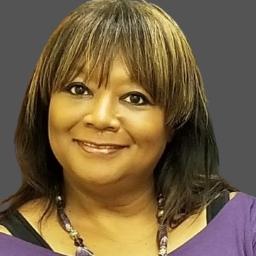
About Vernisha
She uses clear, practical conversations to help people build coping skills. Sessions often include looking at what is getting in the way now and trying small changes that can make everyday life easier. The tone is supportive and direct rather than overly clinical.
With 29 years of experience in Texas, she brings long-term clinical perspective to common and complex concerns. That background informs how she balances tools and deeper self-reflection when needed. People who want both practical strategies and chances to understand recurring patterns may find this approach helpful.
Her work draws on several therapeutic methods including client-centered therapy, cognitive behavioral techniques, dialectical behavior strategies, existential ideas, and elements of the Gottman Method for relationship work. These approaches are woven together to fit each person's needs rather than applied the same way to everyone.
Shepard pays attention to life-stage transitions and specific stresses around pregnancy and childbirth as part of broader mood and relationship work. She also supports people dealing with caregiving stress, medical issues such as cancer, and complicated family and identity concerns. The focus is on helping people move forward with more clarity and self-compassion.
Therapeutic approaches you can access online
Client-centered therapy focuses on listening, empathy, and following the person's lead to help them feel understood and heard. It can help with self-esteem, relationship worries, and decisions around life changes.Cognitive Behavioral Therapy (CBT) looks at practical links between thoughts, feelings, and behavior and teaches skills to change unhelpful patterns. It is often used for anxiety, depression, stress, and eating-related concerns.
Dialectical Behavior Therapy (DBT) provides concrete skills for managing strong emotions and improving interpersonal effectiveness. It can be useful when someone feels overwhelmed by intense feelings or has trouble with relationships.
Finding the right approach is part of the work together. The therapist will discuss goals and preferences and suggest which methods to try first. Treatment is collaborative and can shift over time as needs change.
If you are considering online therapy, confirm the session formats available before booking since options are not specified here. Online sessions can make it easier to fit therapy into busy schedules, reduce travel time, and allow shorter check-ins when that is helpful. Talk with the therapist about what will work best for your routine and needs.
License and NPI
- LPC
NPI1811053390
As shown on the therapist's profile. You can check a license with the state board and an NPI with the national registry.
Areas of expertise
Primary focus
Also works with
Additional focus areas
Therapeutic approaches
Experience
29+ years
Credentials
Texas
Languages
English
Frequently asked questions
What kinds of issues does she address?
She helps with relationship problems, anxiety, depression, stress, eating and body image concerns, intimacy issues, and related life changes.
How would you describe her therapeutic style?
Her style is client-centered and practical, blending skill-building with reflective work to address immediate problems and longer-term patterns.
What experience does she bring?
She has 29 years of clinical experience working with a range of mood and relationship concerns in Texas.
What credentials and location are listed?
She holds the LPC credential and practices in Texas.
Which languages are supported for sessions?
Sessions are offered in English.
Can international clients work with her?
International clients are not currently accepted.
How are sessions paid for?
Cost varies with location and therapist availability, and sessions use a subscription that can be canceled at any time.
What is the first step to begin therapy?
Use the Start Therapy button, complete a short matching questionnaire, and schedule sessions according to therapist availability.